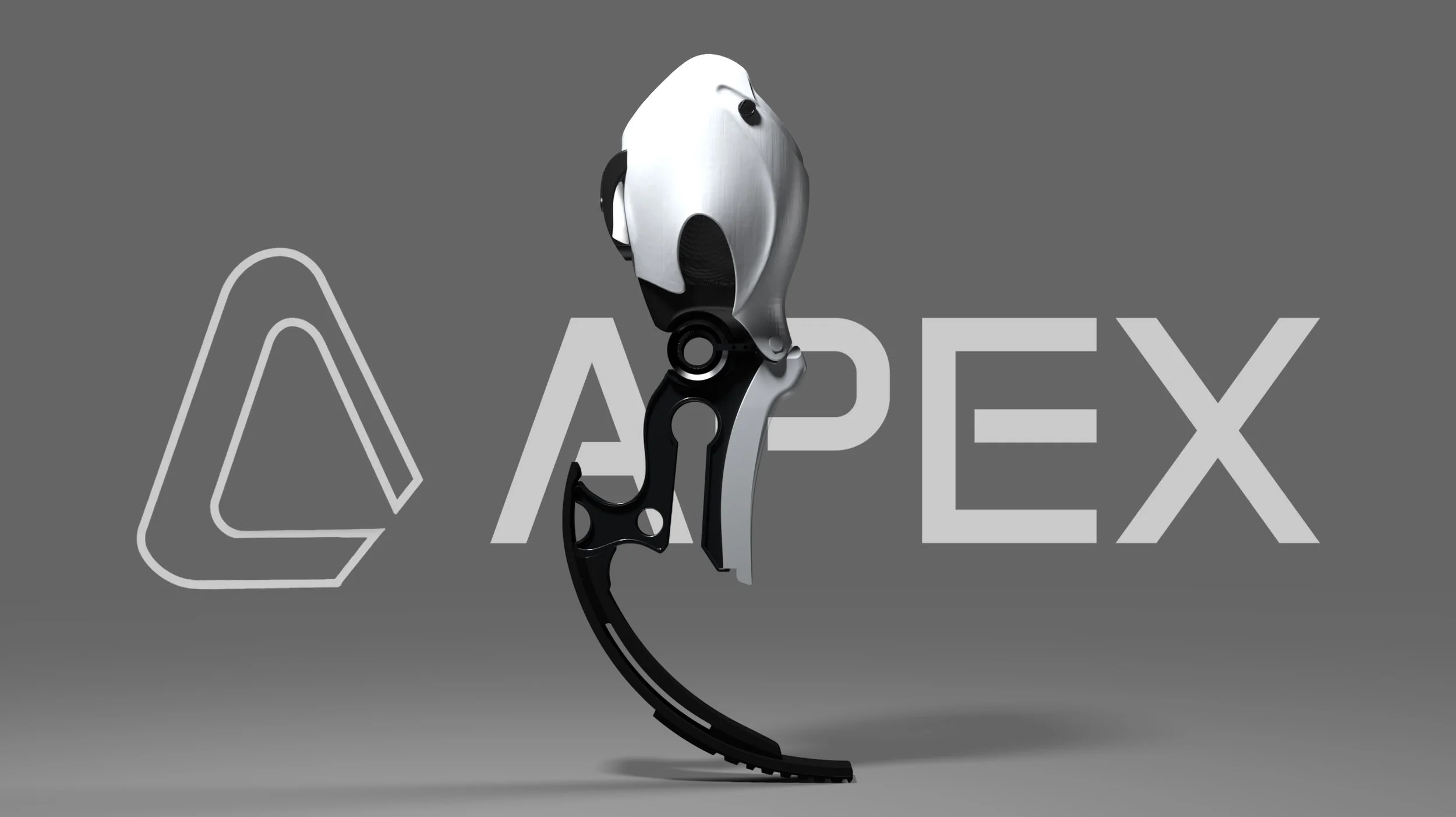
APEX
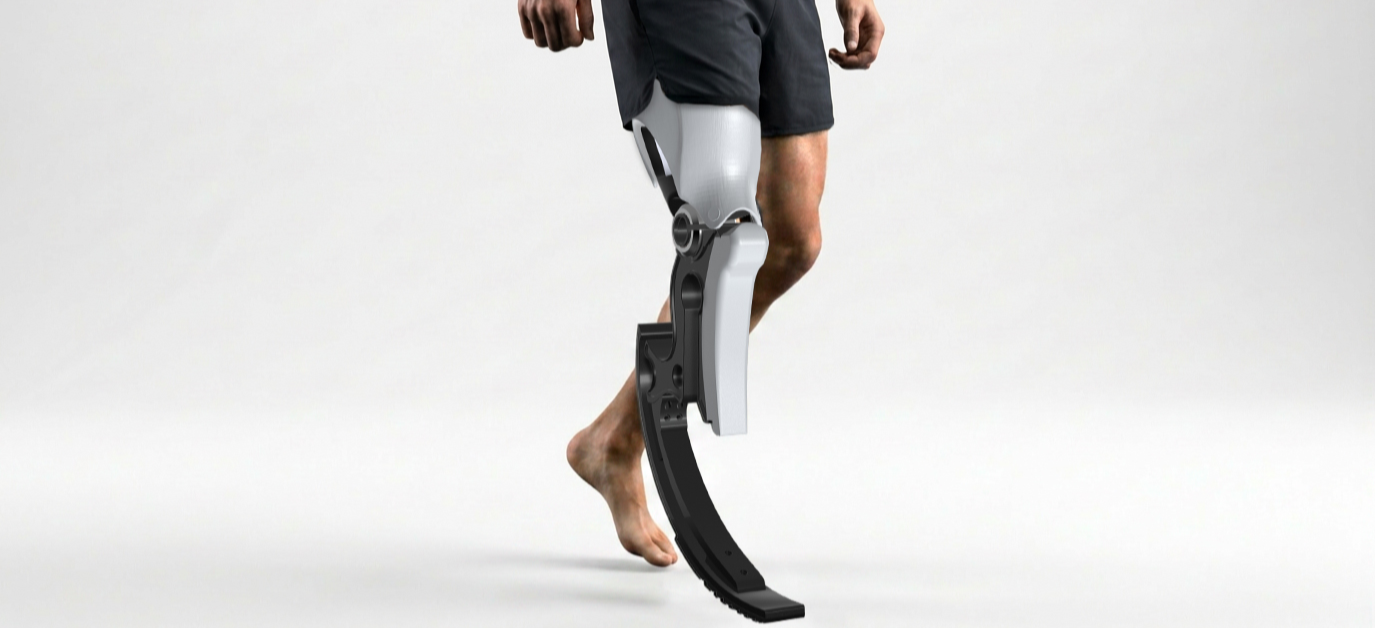
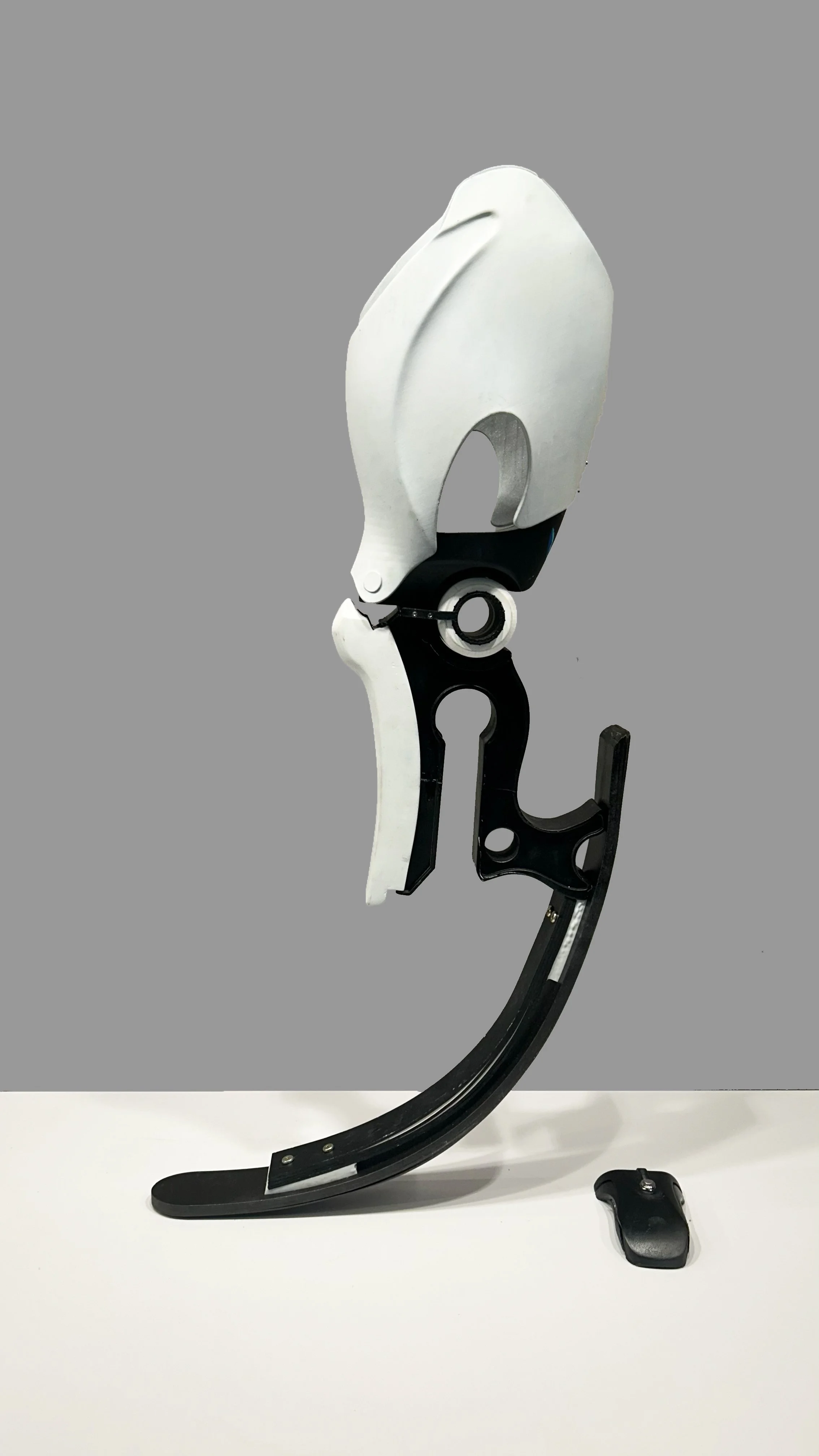
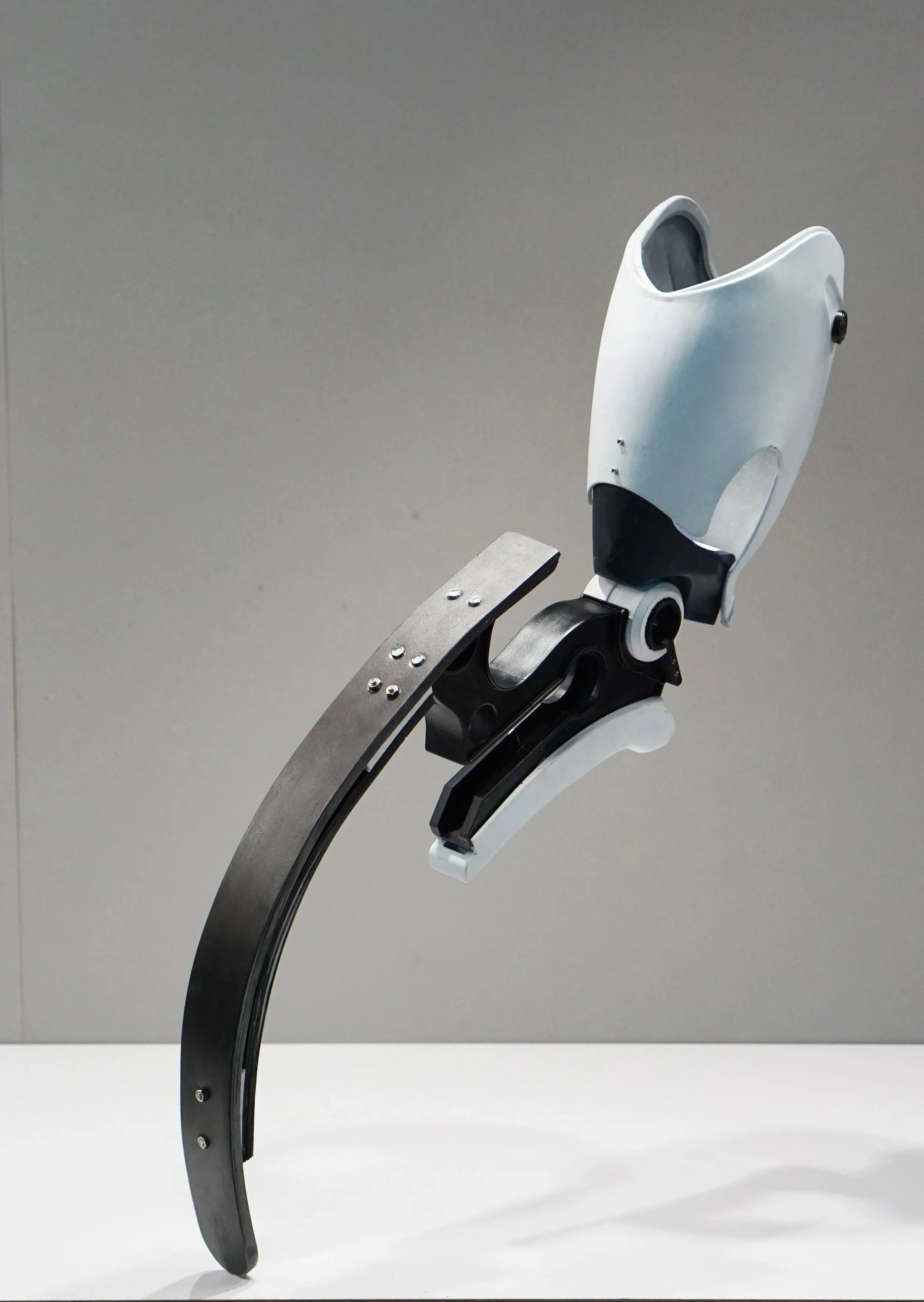
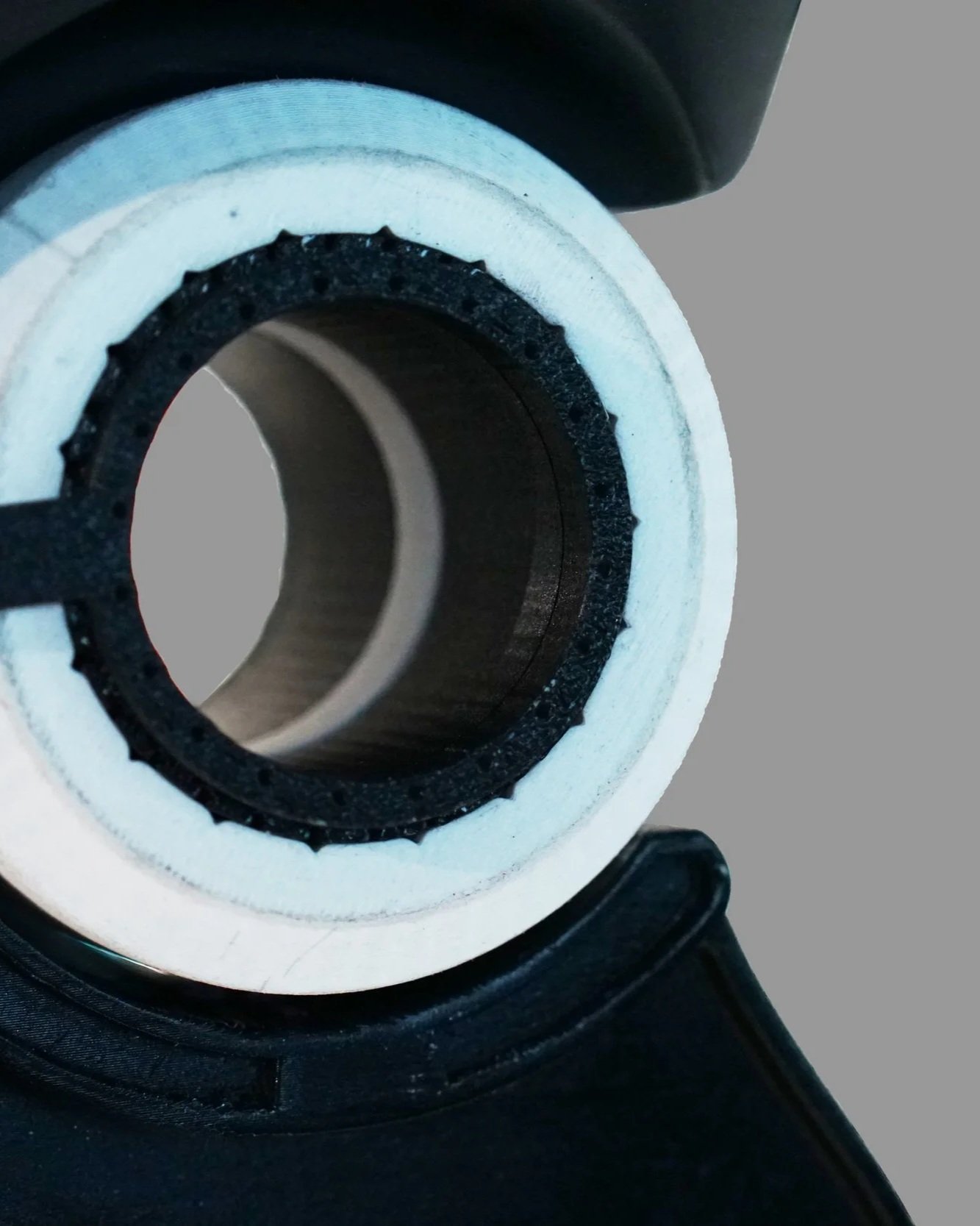
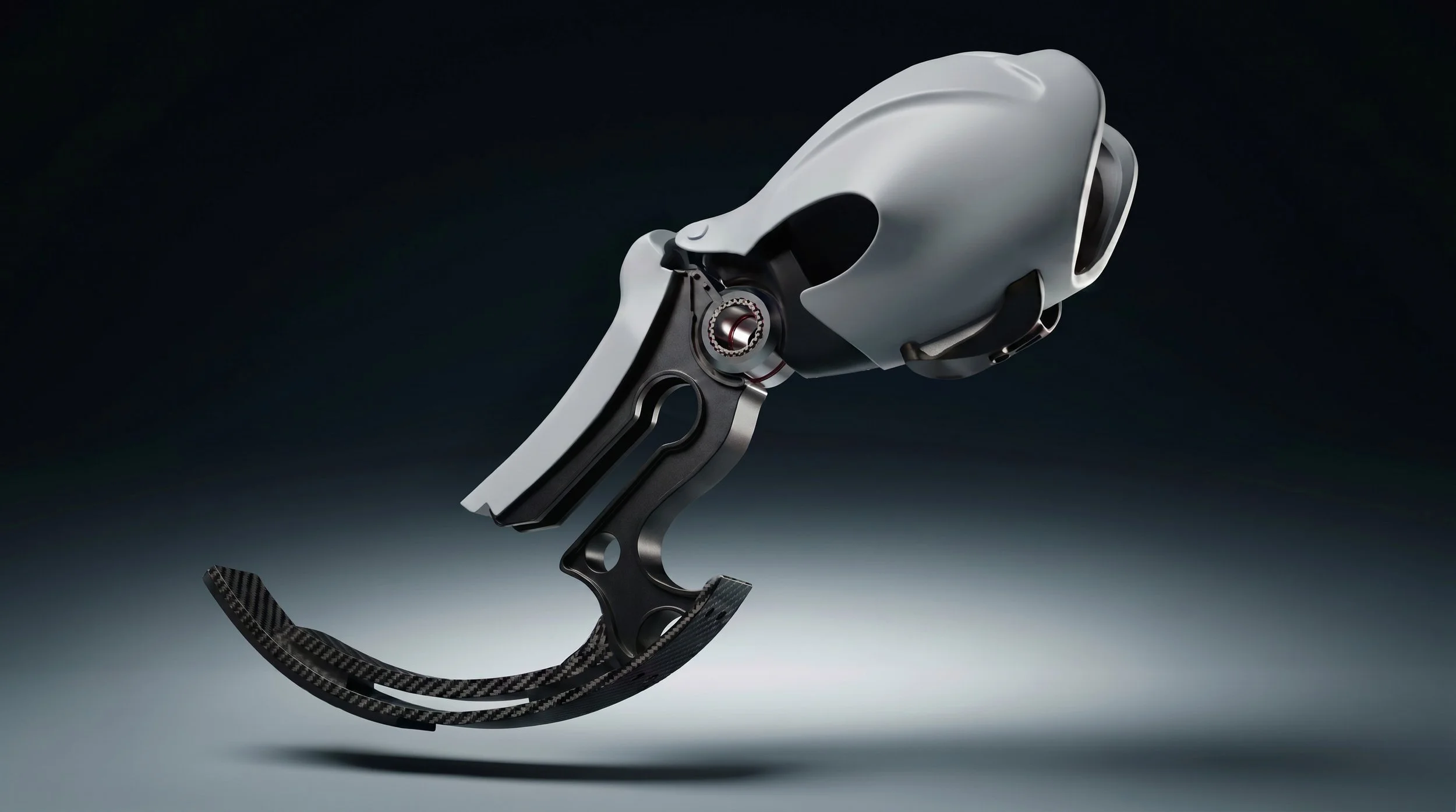
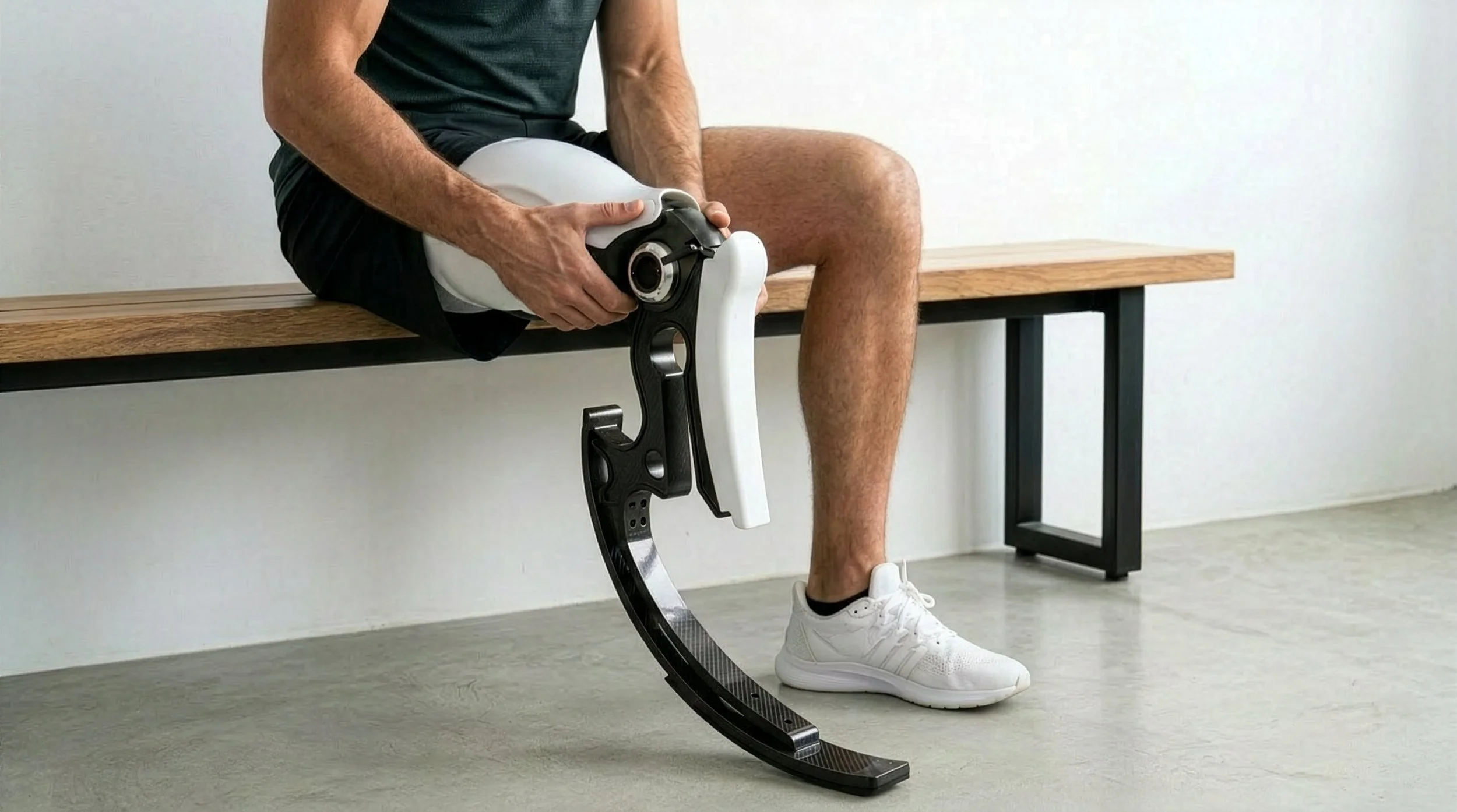
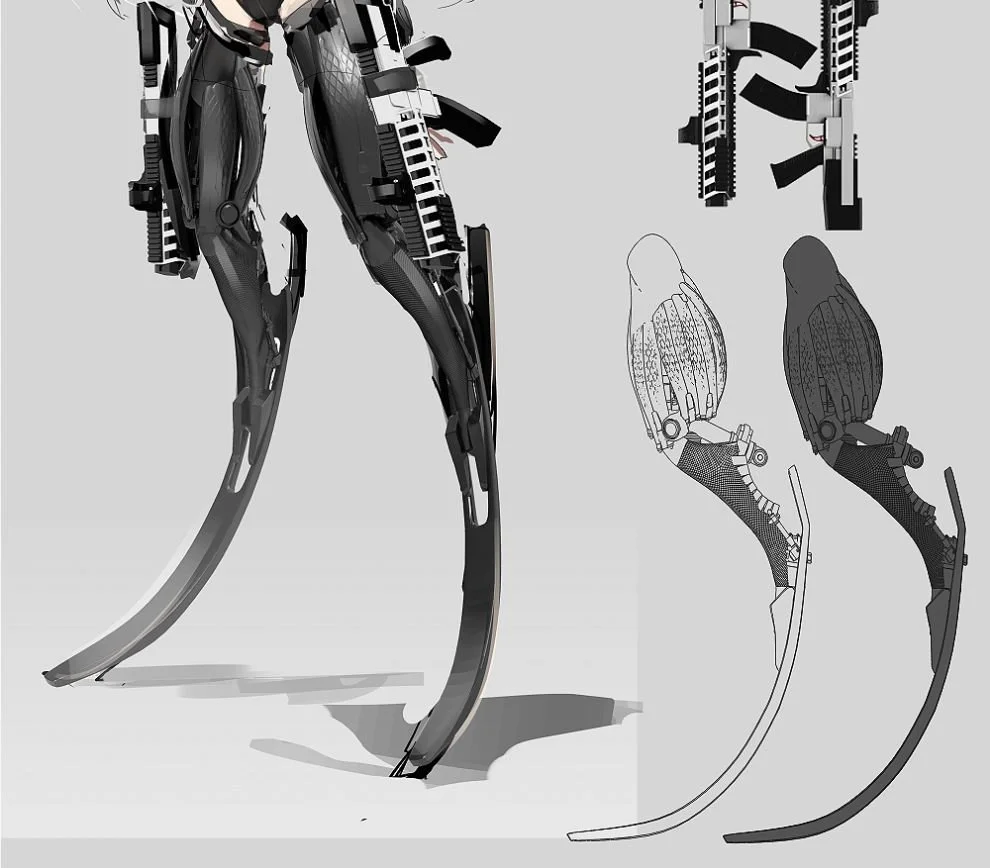
Pushing the boundaries of human speed, this next-generation prosthetic reimagines the mechanics of sprinting. Engineered with a digitigrade structure, it maximizes energy return for peak acceleration. The attachment leverages a BOA fit system, creating a seamless and secure lock for flawless power transfer.
YEAR
2026 16-week project
SOLO PROJECT
Completed independently from research through final concept.
DESIGN PROMPT
Build a new product designed for the year 2045
DESIGN GOAL
Designing a high-performance prosthetic for a futuristic league where adaptive tech is a competitive spectacle.
Performance, not a prescription.
Traditional sports have flatlined. Most leagues are trapped by predictable human limitations. This platform turns adaptive technology into a high-speed spectacle. By decoupling the prosthetic from a medical mindset, we replace stagnation with a futuristic, adrenaline-driven competition.
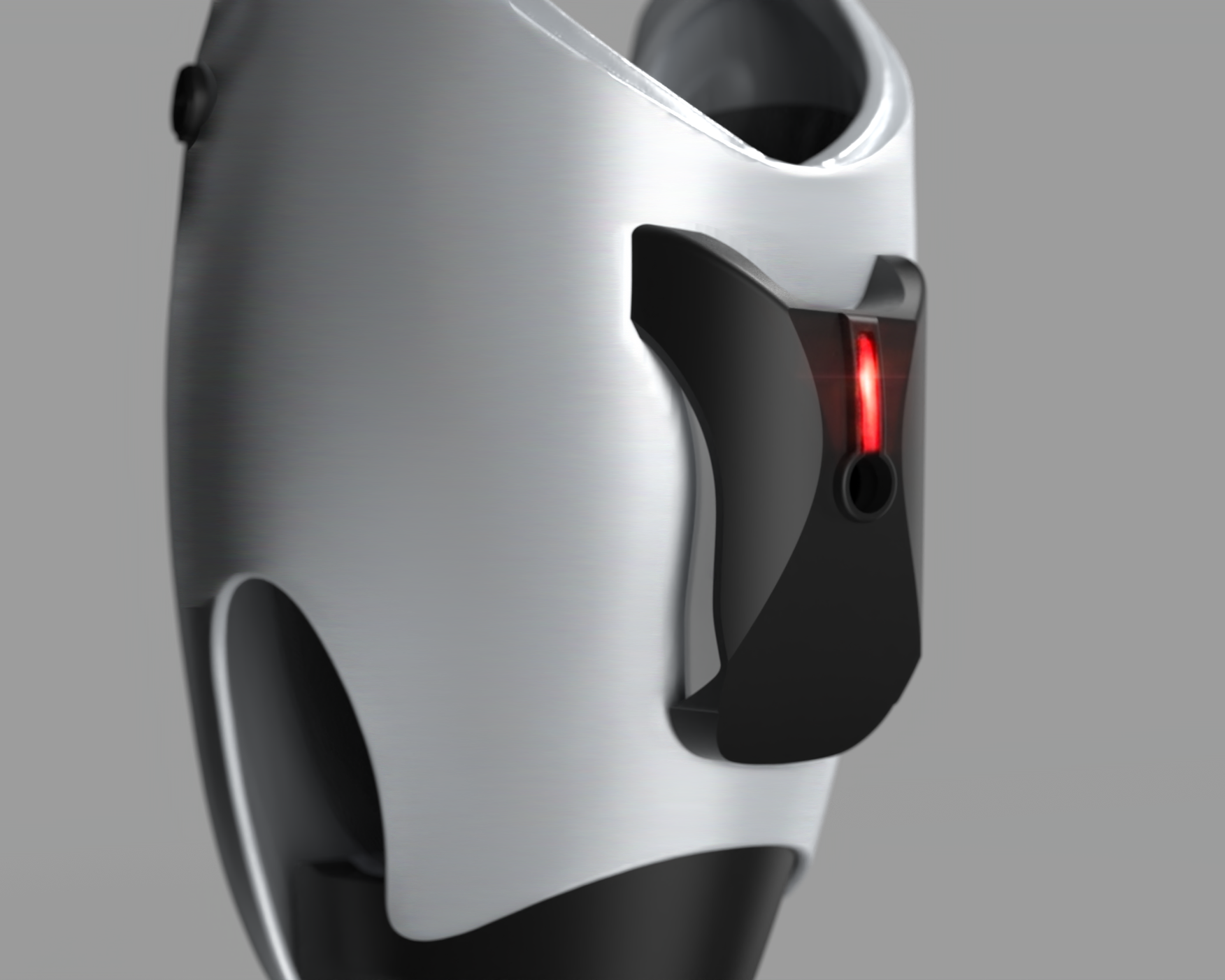
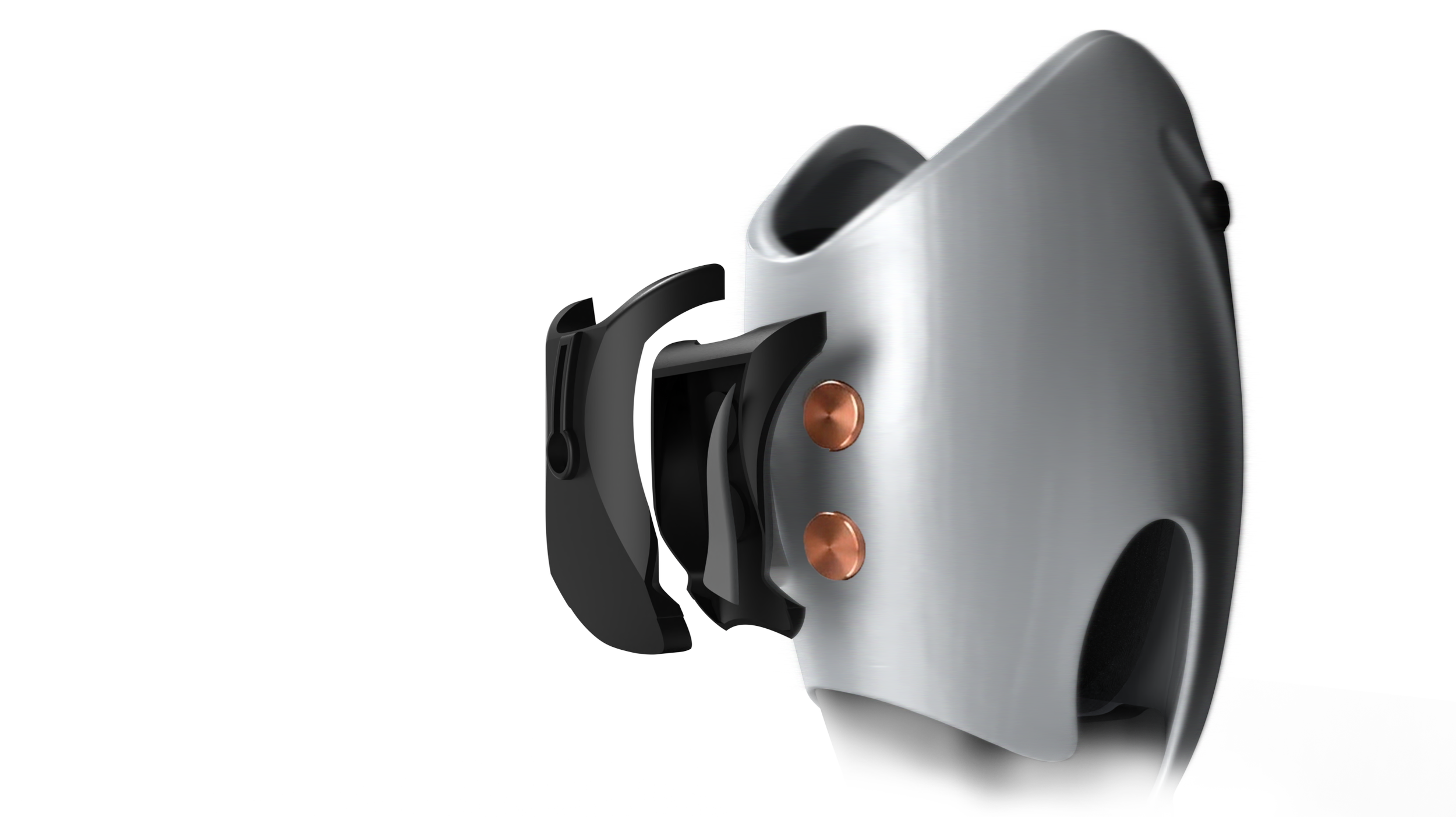
The system runs of a removable quick change battery system that sinks with the rig via contact circuit points on the back of the leg brace.



Flight Rule: Airborne every stride—no sliding, rolling, or contact.
Weight Class: Max 15 kg (33 lbs) per limb, power cell included.
The Flight Rule (No sliding, rolling, or continuous contact)
To be defined as "running," the athlete must have a clear flight phase (both feet off the ground) between every stride.
Power Limit: Motor assist capped at 2.5 kW; athlete-powered.
Weight Class (Individual prosthetic limb cannot weigh more than 15 kg (33 lbs))
To ensure agility and safety, this including its power cell.)
Power Limit (Onboard electric motors are permitted to assist the stride)
They are capped at 2.5 kW of output. The athlete's own strength must still be the primary driver.
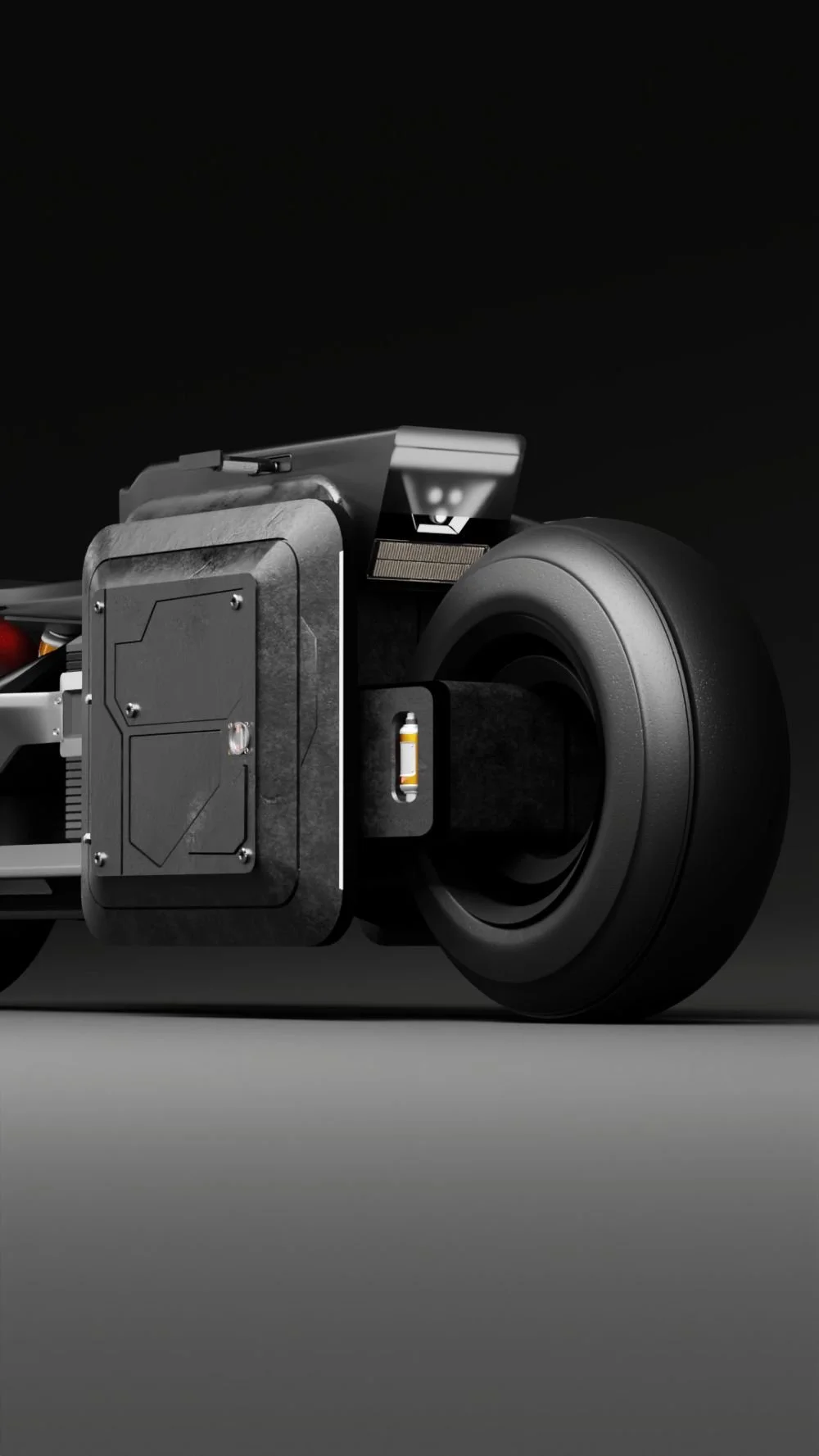
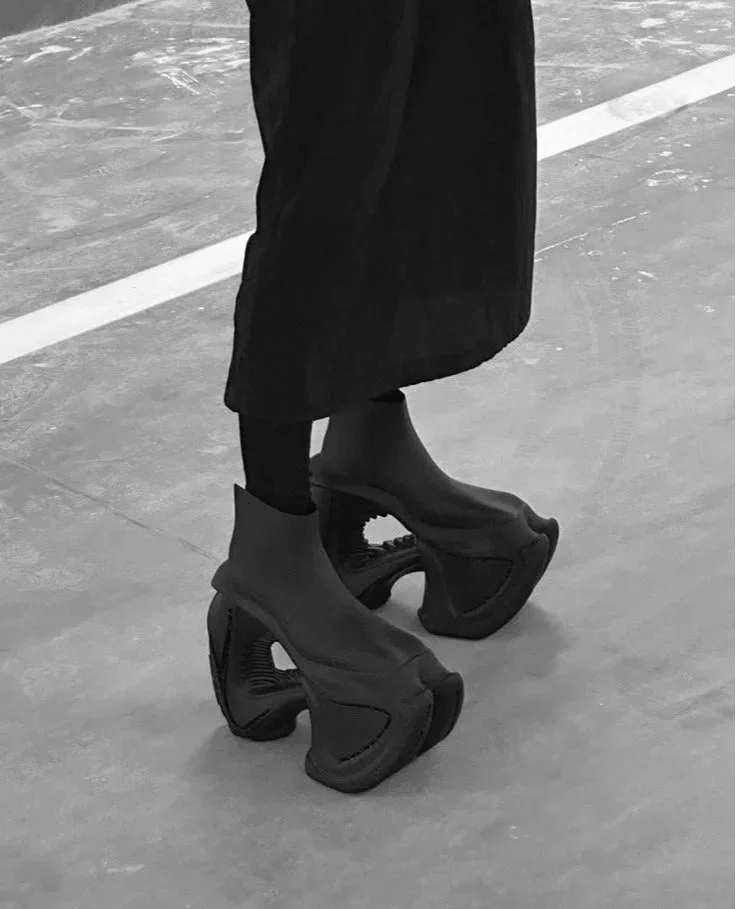

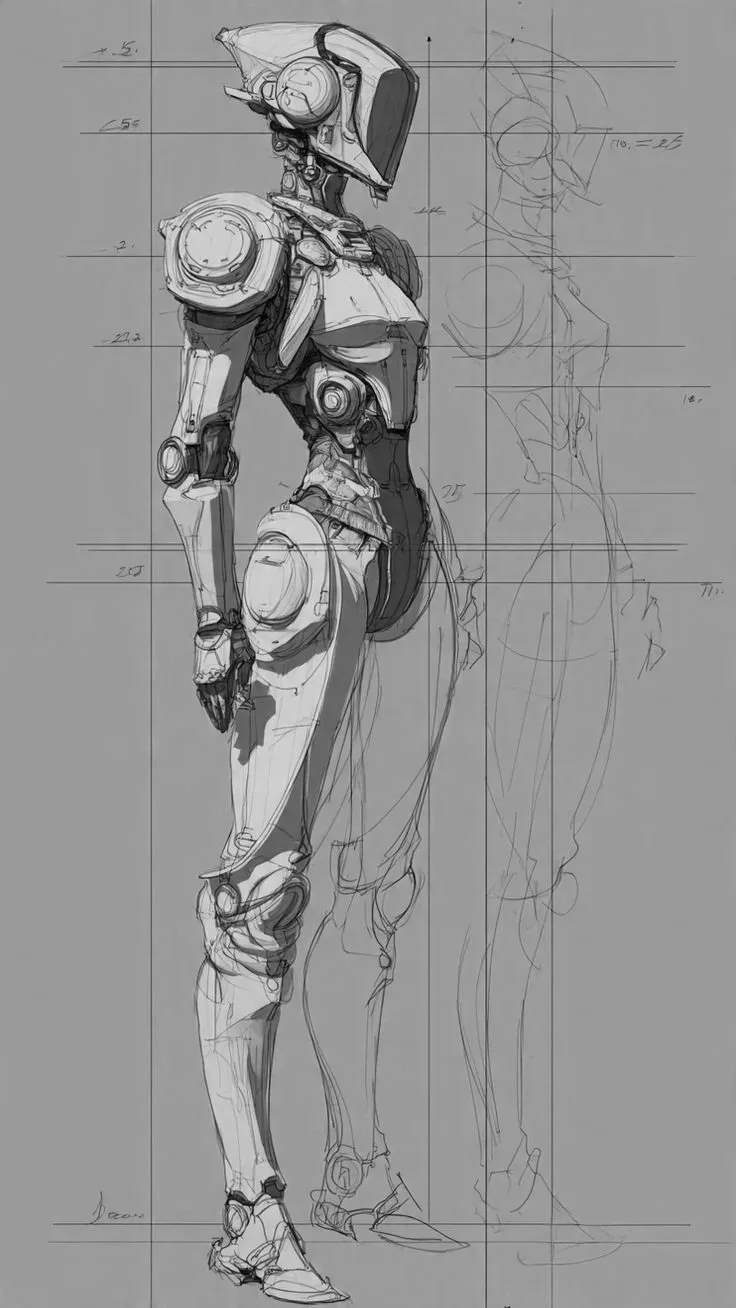

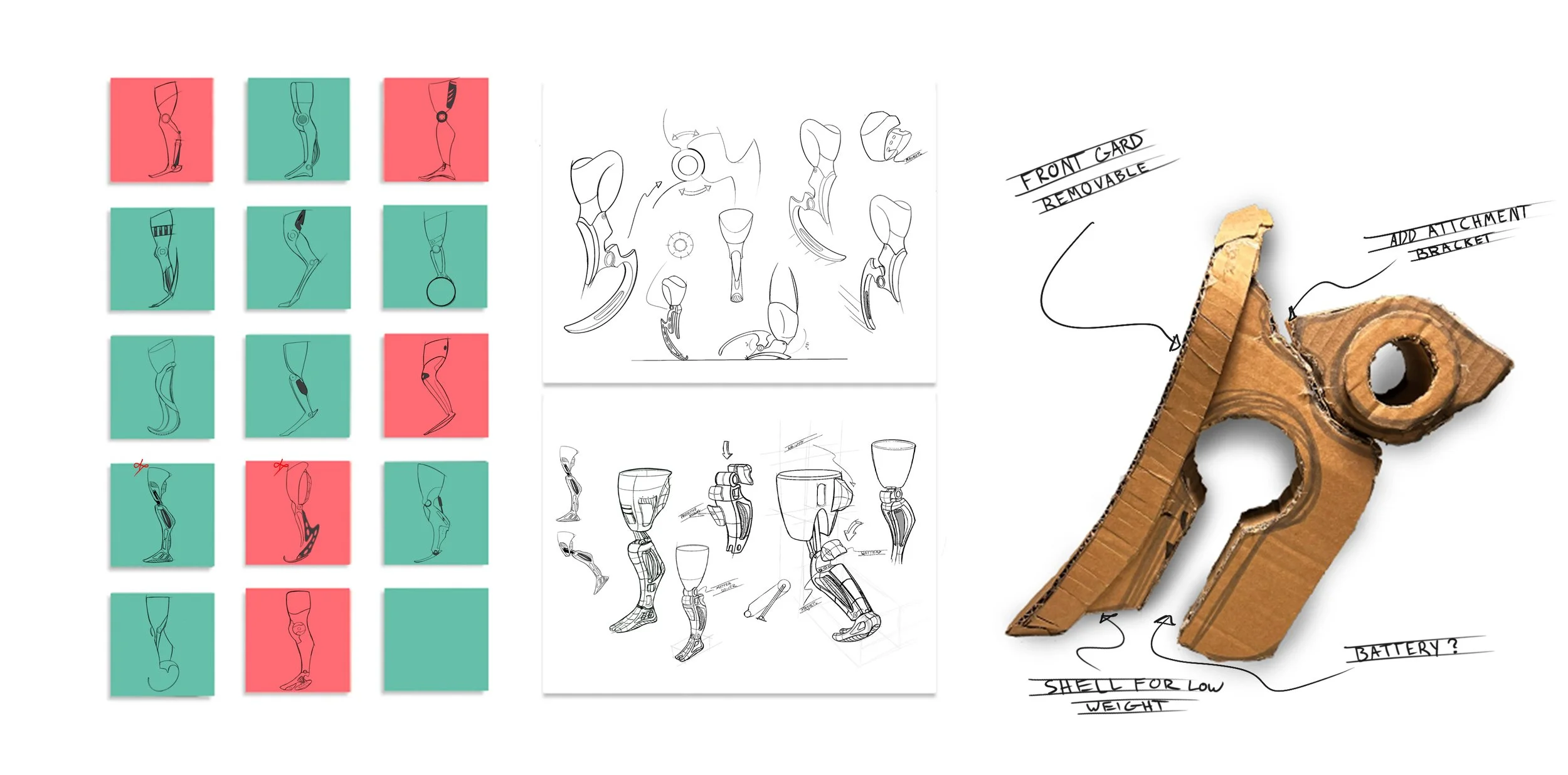
Initial Ideation
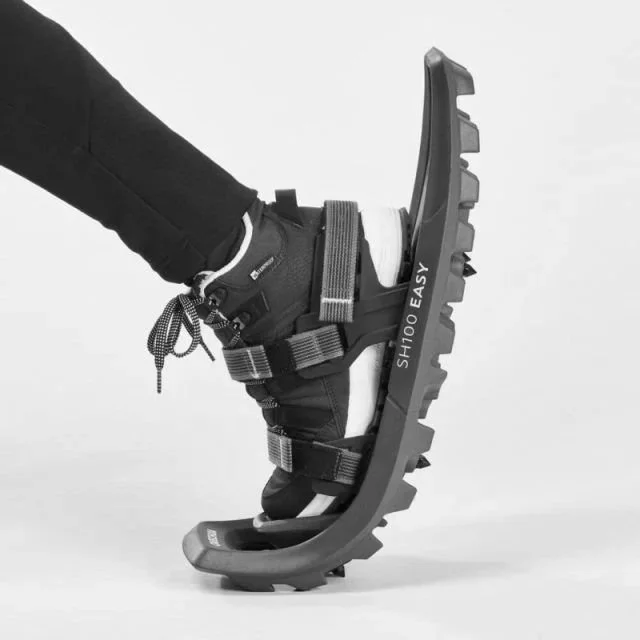
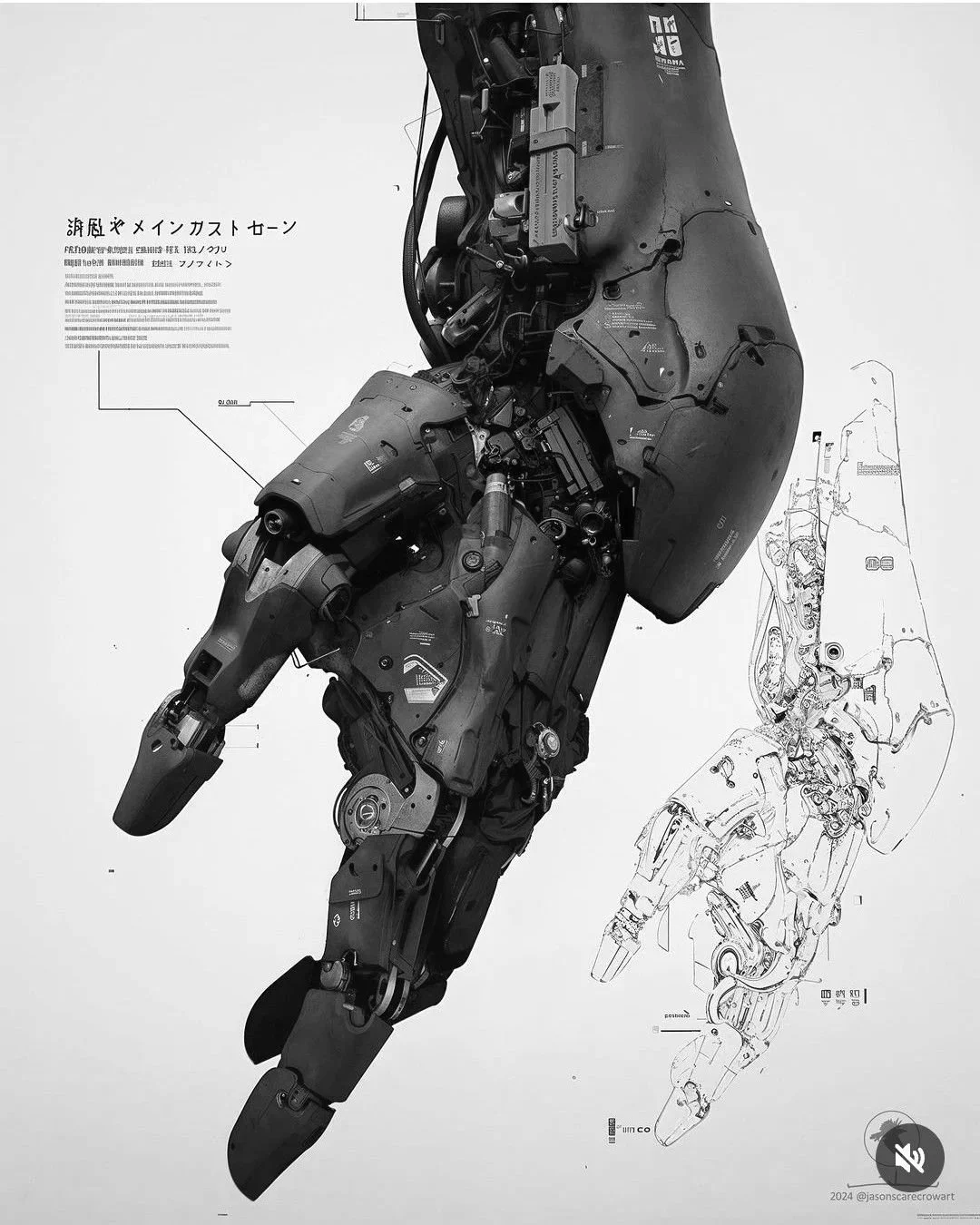
Once the design parameters were set, I explored a variety of design paths. From there, I focused on fleshing out the two most promising concepts to meet our project goals.
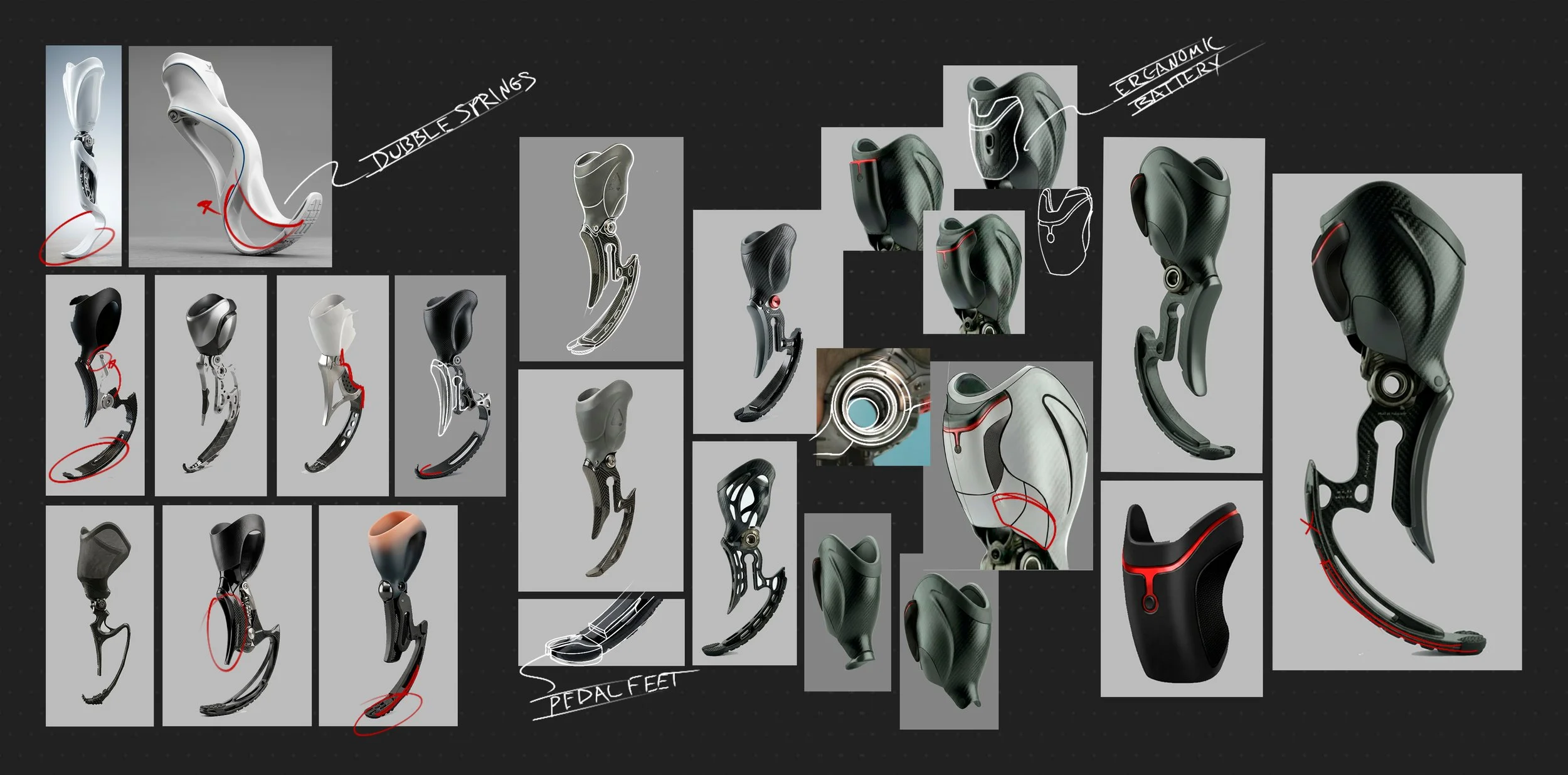
MODELS
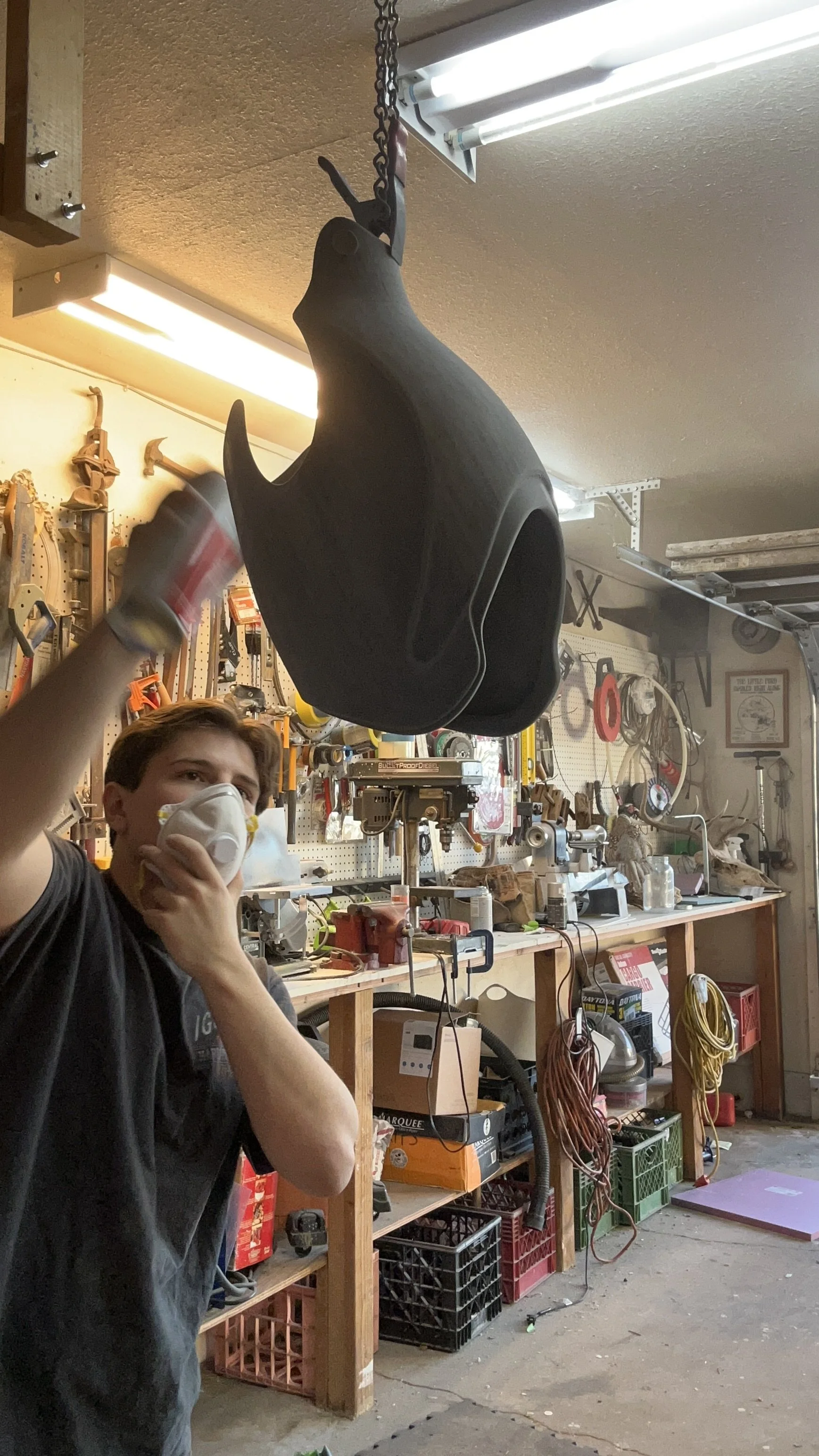
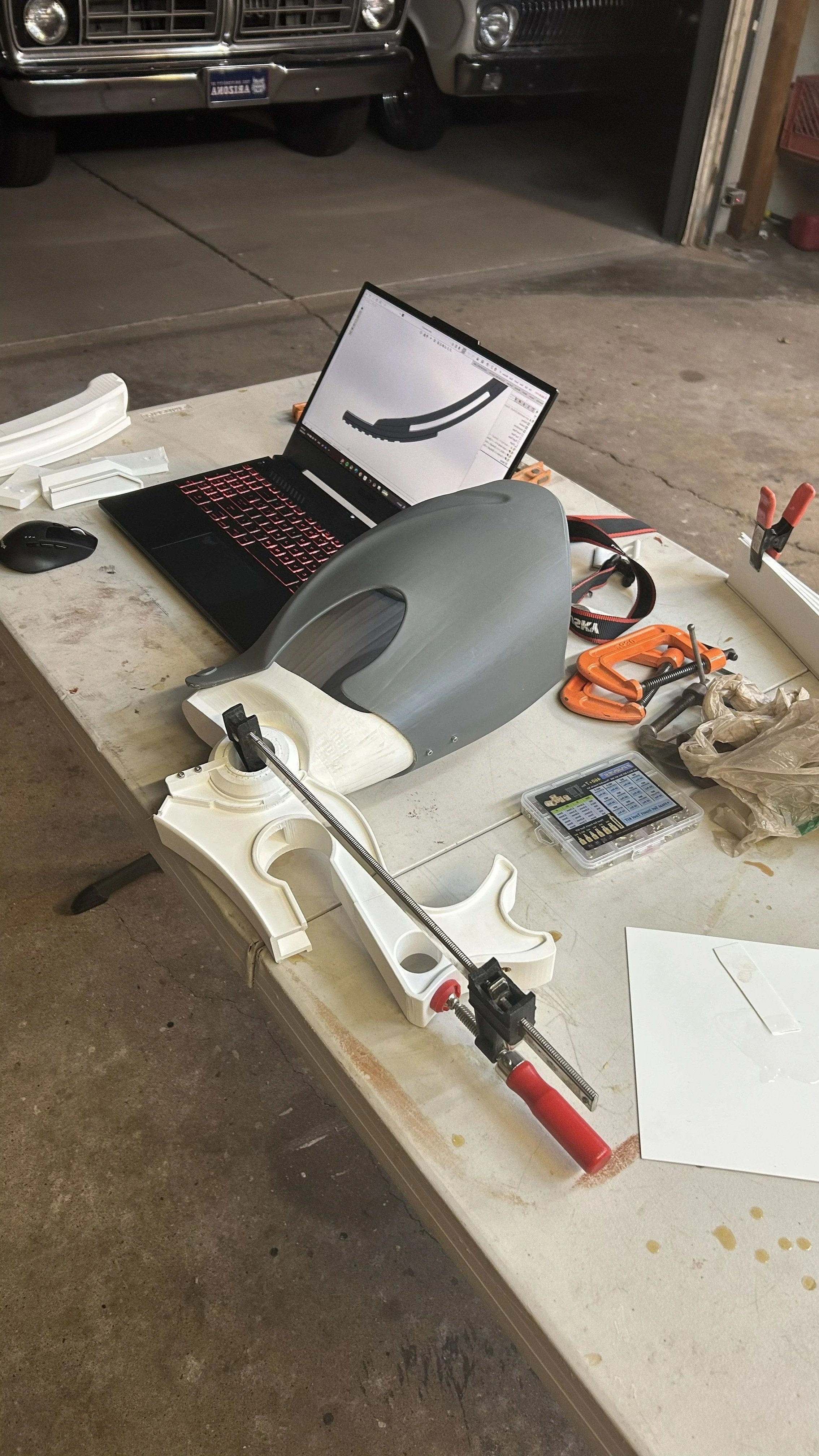
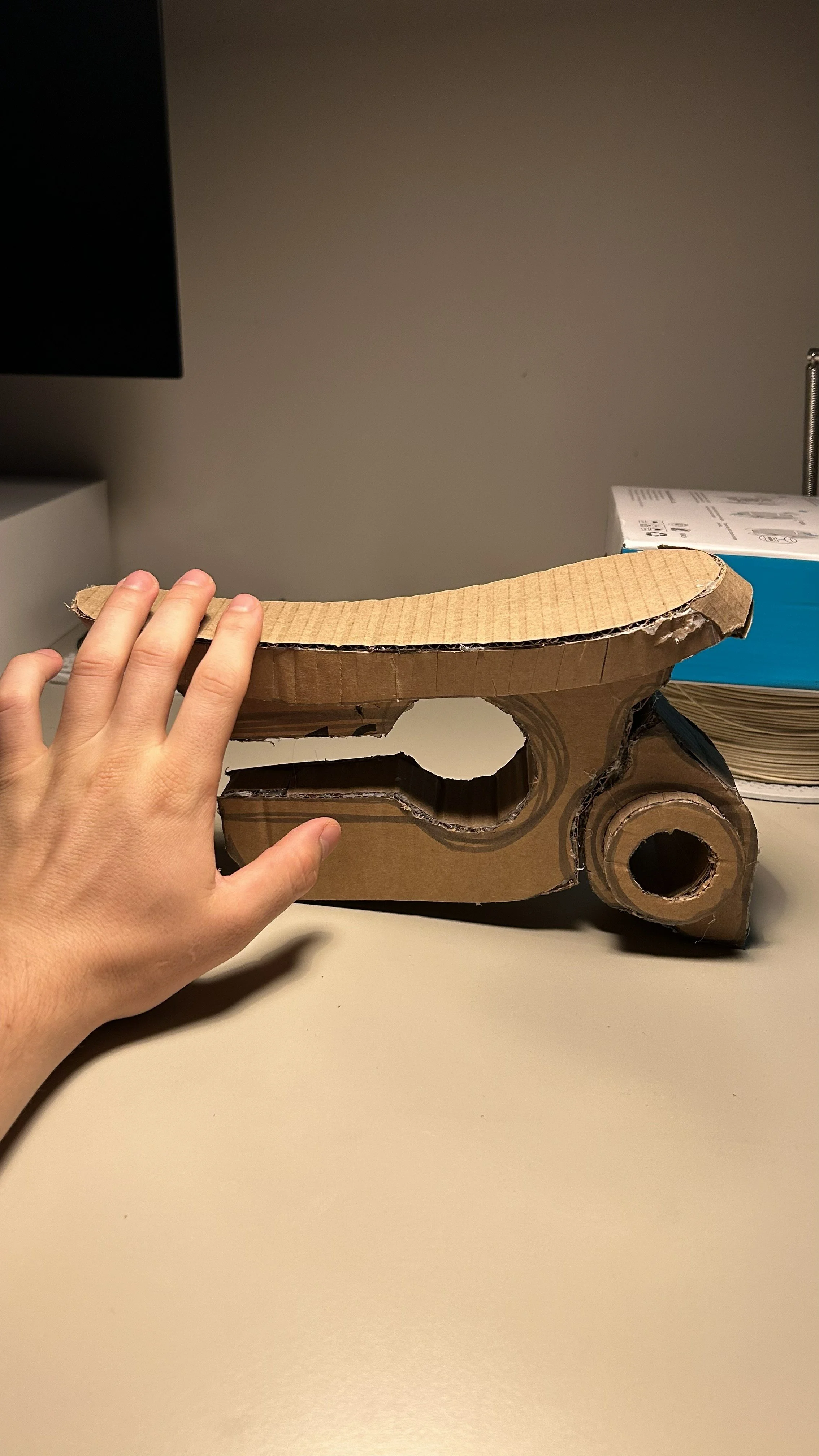
Progress on this project came from constant model making. Testing each iteration against my face helped dial in tolerances, proportions, and fit while refining the overall form. in the end I made over a dozen models to get to the final form
Installation
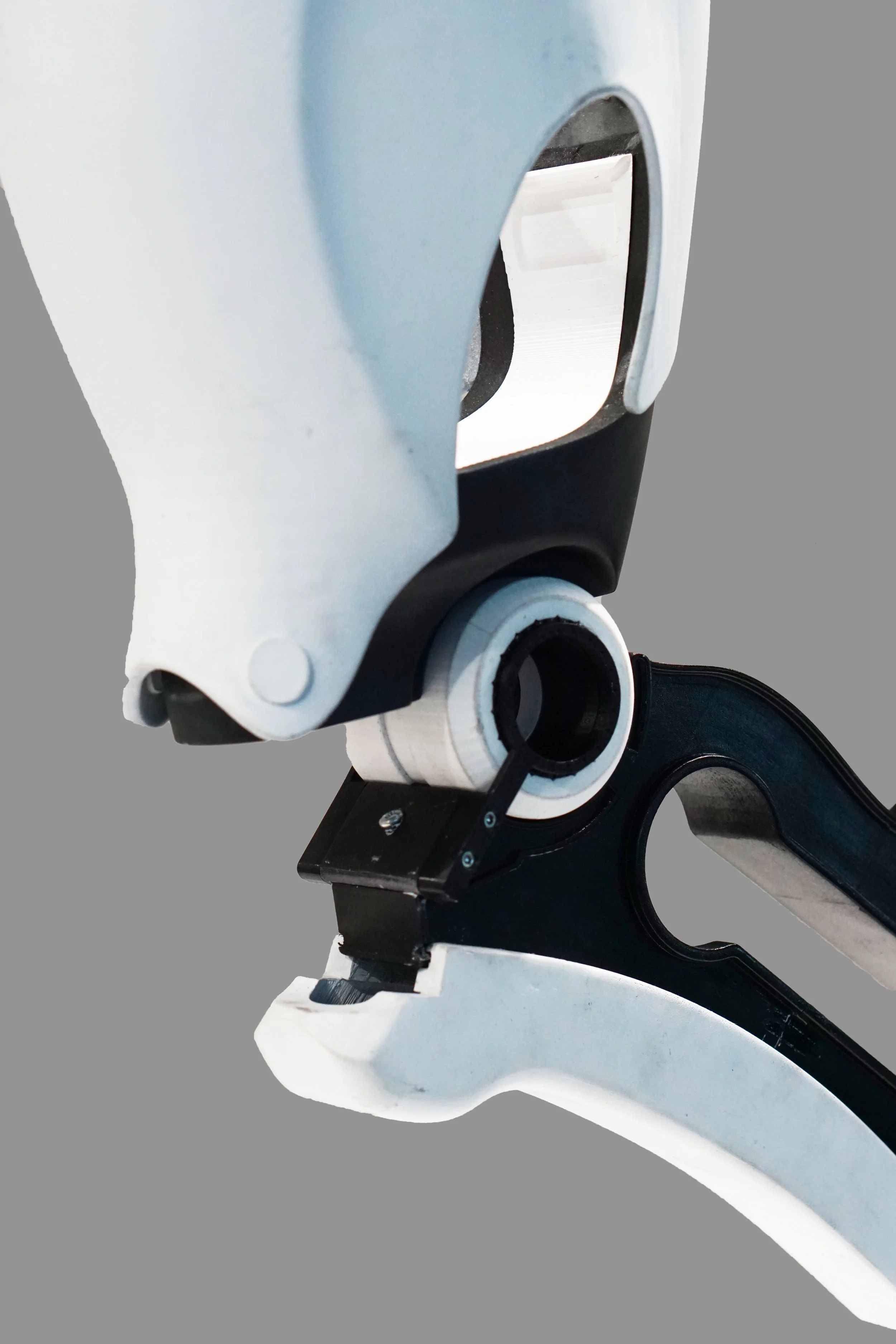
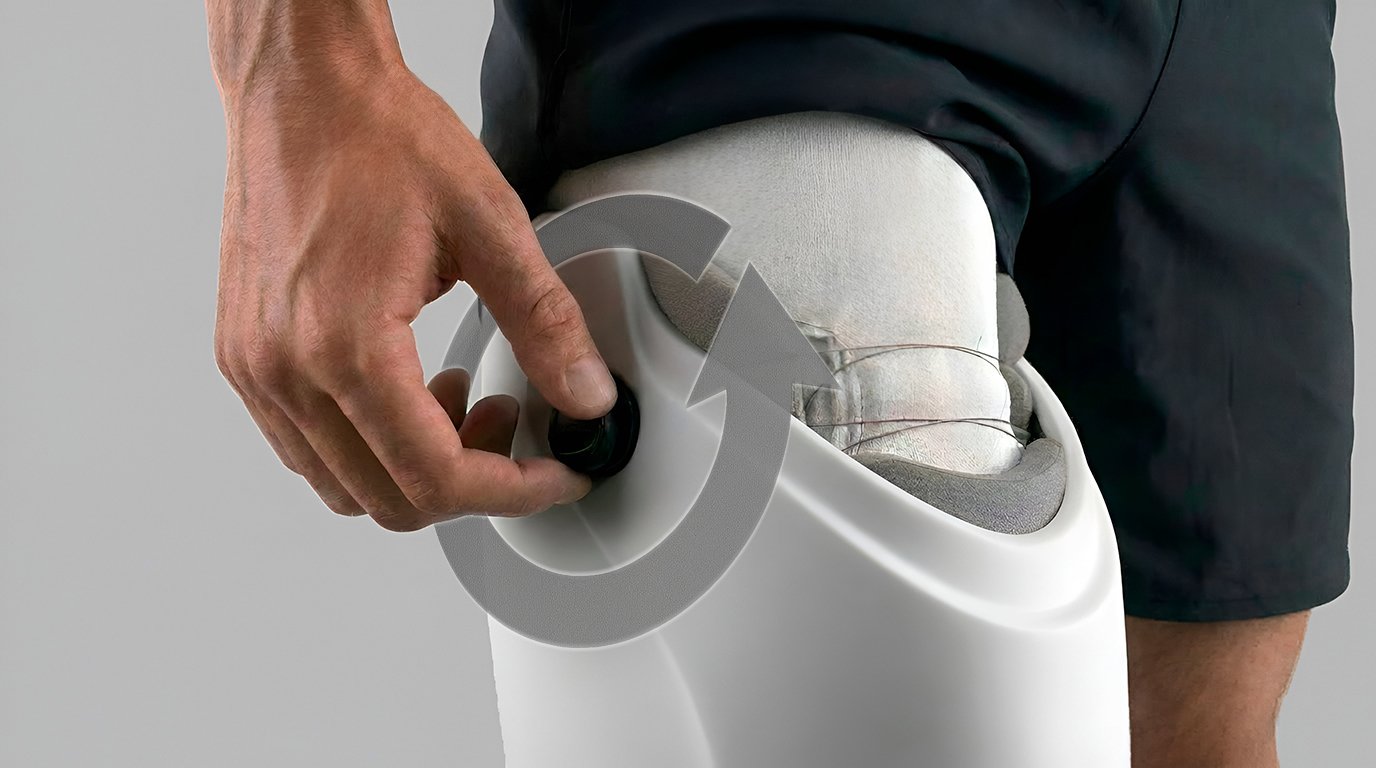
Widely utilized in high-performance gear from cycling shoes to snowboard boots, the BOA system is engineered to deliver a locked-in, custom fit. Turning the dial incrementally tightens a network of high-tensile laces, providing uniform pressure without the hot spots caused by traditional bindings
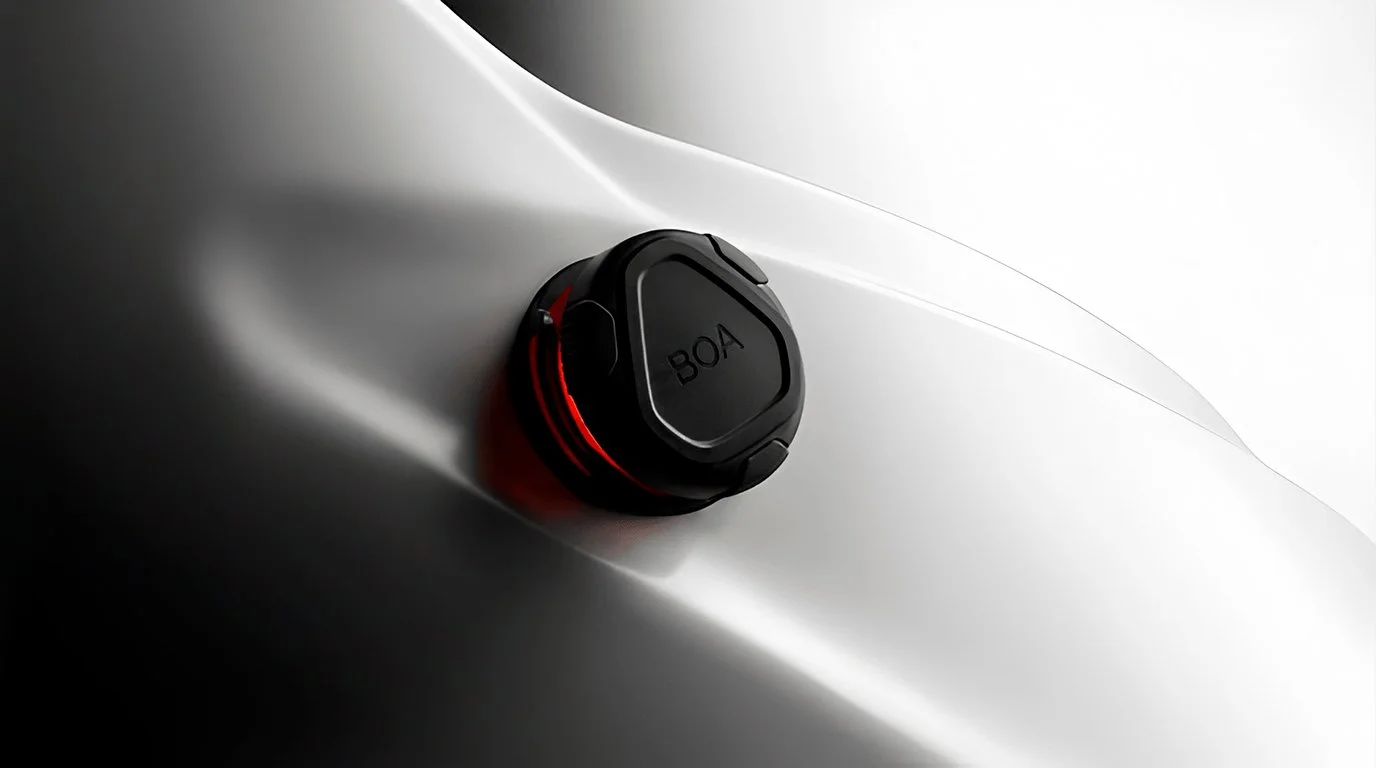
Integrated directly into the upper chassis, the BOA system serves as the permanent mounting interface between the hardware and the athlete. As the cables are engaged, they evenly compress the upper section around the runner's prosthetic sock, seamlessly conforming to the unique anatomy of any user.